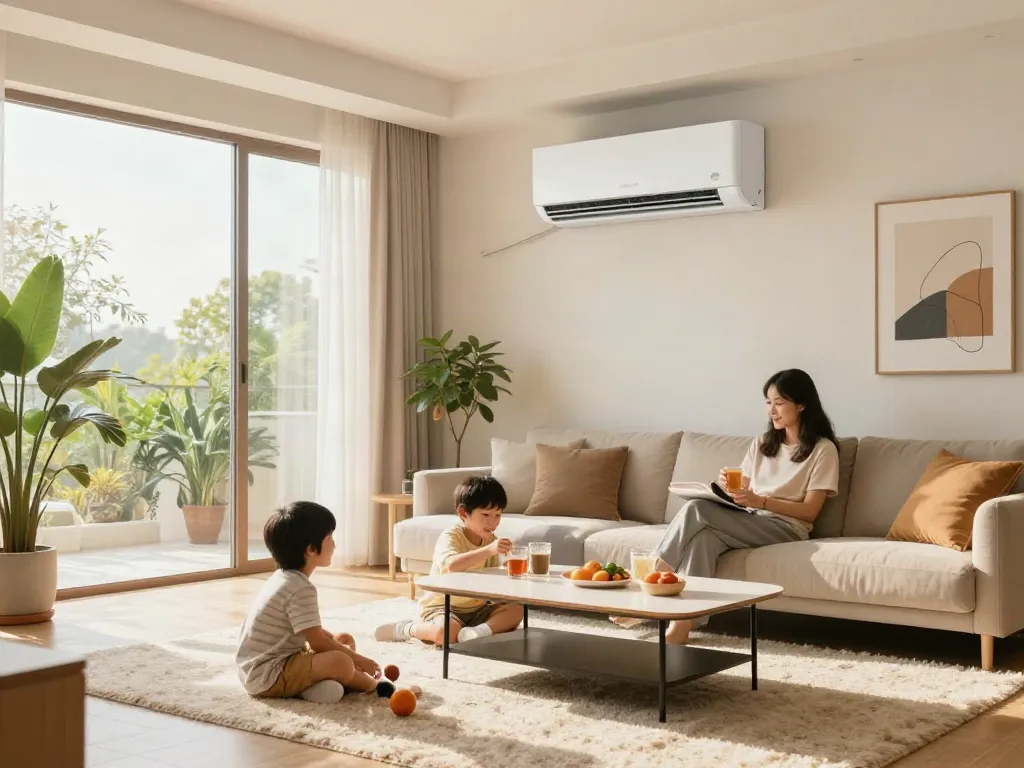
Understanding Ductless Air Conditioners
Ductless air conditioners, also known as mini-split systems, have gained popularity among homeowners and businesses that seek efficient, flexible cooling solutions without the need for extensive ductwork. These systems are ideal for a variety of settings, from residential homes to commercial spaces, and they offer several advantages over traditional central air conditioning units. This article will delve into the fundamentals of ductless air conditioners, including how they work, their benefits, and practical tips for selecting the right model for your space. When exploring options, ductless air conditioner provides comprehensive insights into available models.
What is a Ductless Air Conditioner?
A ductless air conditioner comprises an outdoor compressor unit and one or more indoor units that deliver conditioned air directly into individual rooms. Unlike traditional systems that rely on ductwork to circulate air, ductless systems utilize a refrigerant line that connects indoor and outdoor components. This configuration allows for localized temperature control, providing comfort in targeted areas of a home or office without the need for extensive installation work.
How Ductless Systems Work
Ductless systems operate through the principles of heat exchange. The outdoor unit absorbs heat from the outside air (even in cooler temperatures) and transfers it to a refrigerant. This refrigerant is then pumped into the indoor units where it releases cool air into the room. The process can be reversed in colder months, allowing the system to provide heating as well. This dual functionality makes ductless air conditioners a versatile option for year-round comfort.
Benefits of Ductless Air Conditioners
- Energy Efficiency: Ductless systems typically have higher energy efficiency ratings (SEER) compared to their ducted counterparts, translating to lower energy costs.
- Ease of Installation: Installation is relatively quick and less invasive, often requiring only a small hole for the refrigerant line.
- Zoned Cooling: Multiple indoor units can be connected to a single outdoor unit, allowing for customized temperature settings in different rooms.
- Improved Air Quality: With no ductwork, there is less opportunity for dust and allergens to circulate, leading to better indoor air quality.
Choosing the Right Ductless Air Conditioner
Factors to Consider When Buying
When selecting a ductless air conditioner, several factors should be taken into account to ensure the best fit for your space. Start by evaluating the size and layout of the area to be cooled. The system's capacity is measured in BTUs (British Thermal Units), and choosing the right size is crucial for efficiency and comfort. Oversized units can lead to short cycling, while undersized units may not effectively cool the space.
Top Features of 2026 Models
Innovations in ductless air conditioning are continuously emerging, and the 2026 models come with enhanced features. Look for units with WiFi connectivity, allowing for remote control and monitoring via smartphones. Energy Star-rated options can offer additional savings on energy bills. Furthermore, consider noise levels; quieter models can significantly enhance comfort, particularly in bedrooms or study areas.
Comparing Ductless vs. Traditional AC Systems
When comparing ductless systems to traditional central AC units, the differences become evident. Traditional systems require extensive ductwork, which can account for significant energy loss and additional installation costs. Ductless air conditioners, on the other hand, are easier to install and provide individualized comfort settings. While initial costs can be higher for ductless systems, the long-term savings on energy bills and maintenance often outweigh the initial investment.
Installation Considerations for Ductless Systems
Professional Installation vs. DIY
While some homeowners may consider attempting a DIY installation, hiring a professional is generally advisable. Ductless air conditioners require precise placement and potentially complex electrical connections. A trained technician can ensure optimal performance and compliance with local building codes. Proper installation can also maximize the system's efficiency and lifespan.
Common Installation Challenges
One of the primary challenges of installing a ductless air conditioner can be the placement of the outdoor unit. It must be located in a space with adequate airflow and access for maintenance. Additionally, securing a proper electrical connection and ensuring the refrigerant line is correctly sealed can be tricky for those without experience. Planning ahead and consulting with professionals can mitigate these challenges.
Cost of Ductless Air Conditioner Installation
The cost of installing a ductless air conditioning system can vary significantly based on several factors, including the number of indoor units and the complexity of the installation. On average, homeowners can expect to pay between $3,000 and $5,000 for both the unit and installation. While upfront costs may seem high, the eventual savings on energy bills and maintenance often justify the investment.
Maintenance Tips for Ductless Air Conditioners
Essential Maintenance Practices
Regular maintenance is crucial to the longevity and efficiency of ductless air conditioners. Homeowners should clean or replace filters every one to three months to prevent airflow issues. Additionally, annual professional servicing is recommended to check refrigerant levels, clean the coils, and ensure that the outdoor unit is free from debris.
Signs Your Ductless System Needs Repair
There are several indicators that your ductless air conditioner may require professional attention. These can include unusual noises, inconsistent cooling, or an increase in energy bills without an apparent cause. Taking note of these signs early can prevent more significant issues and costly repairs down the line.
Energy Efficiency and Performance Monitoring
To maximize the performance of your ductless air conditioner, consider investing in a smart thermostat that can monitor and adjust settings according to your habits and preferences. Tracking energy consumption can help identify patterns that may warrant maintenance or adjustments for increased efficiency.
Future Trends in Ductless Air Conditioning
Technological Innovations in 2026
The future of ductless air conditioning looks promising with continued advancements in technology. Expect to see greater integration with smart home systems, enabling seamless communication between devices for optimal comfort and efficiency. Additionally, emerging technologies like variable refrigerant flow (VRF) systems are becoming more commonplace, offering even better energy management and flexibility.
Impact of Climate Change on Air Conditioning Choices
As climate change continues to influence weather patterns, the demand for flexible and efficient cooling solutions will likely increase. Ductless systems, with their ability to provide targeted cooling, may become a preferred choice for homeowners looking to combat rising temperatures without incurring exorbitant energy costs.
Consumer Preferences and Emerging Features
Consumers are increasingly prioritizing energy efficiency and ease of use in their air conditioning choices. As such, features like programmable settings, quiet operation, and enhanced filtration systems are gaining traction. Manufacturers that respond to these preferences stand to gain a competitive edge in the market.
What Makes Ductless Air Conditioning the Smart Choice?
Ultimately, ductless air conditioning systems represent a smart choice for both new constructions and retrofits. Their energy efficiency, ease of installation, and versatility make them appealing in today's climate-conscious marketplace. As more consumers seek cost-effective and environmentally friendly solutions, ductless systems are well-positioned to meet these demands.