









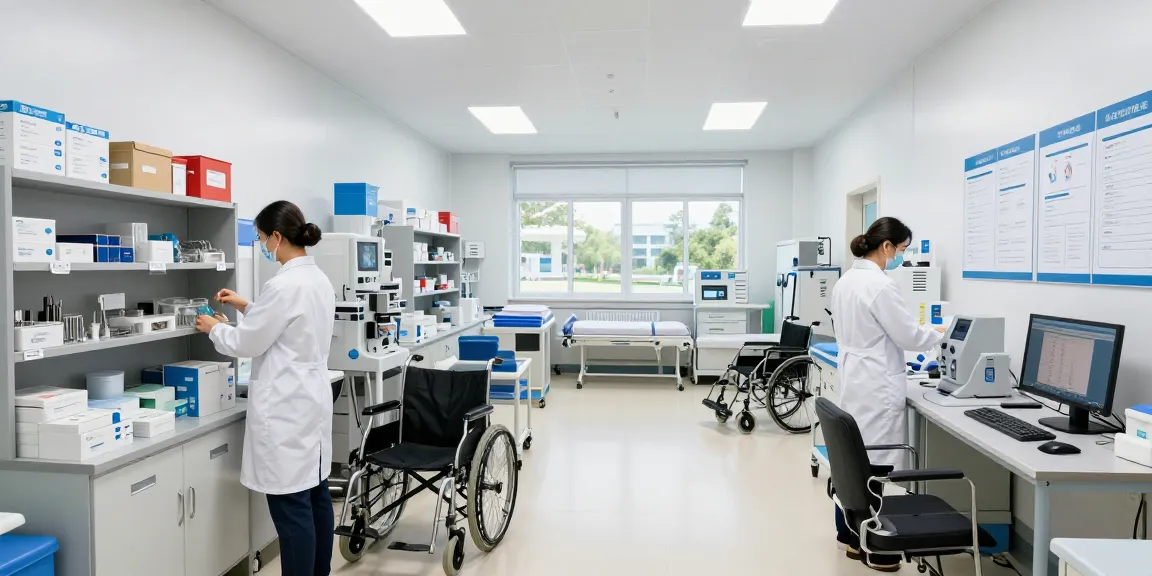
Understanding the Role of Medical Equipment Suppliers
Medical equipment suppliers play a critical role in the healthcare industry, bridging the gap between manufacturers and healthcare providers. These suppliers provide a vast range of medical devices, tools, and equipment essential for the proper diagnosis, treatment, and monitoring of patients. When exploring options, medical equipment suppliers offer comprehensive insights into the latest innovations and standards in the industry.
What are Medical Equipment Suppliers?
Medical equipment suppliers are organizations or companies that distribute medical devices and equipment to healthcare facilities, including hospitals, clinics, and private practices. Their offerings go beyond just products; they also provide crucial support services such as installation, maintenance, and training. Suppliers may specialize in various areas ranging from surgical instruments to diagnostic imaging machines, ensuring healthcare providers have access to the necessary tools to deliver effective patient care.
Importance of Quality in Medical Supplies
The quality of medical supplies is paramount, as poor-quality equipment can jeopardize patient safety and treatment outcomes. Suppliers are responsible for sourcing products that meet stringent regulatory standards and undergo rigorous testing prior to reaching the end-user. Healthcare professionals rely on these suppliers to provide reliable, safe, and effective medical devices that can stand up to the demands of clinical environments.
Key Challenges Faced by Suppliers
Medical equipment suppliers face numerous challenges, including increasing regulatory scrutiny, supply chain disruptions, and the need for continuous innovation. They must navigate complex regulations to ensure compliance while maintaining product safety and efficacy. Additionally, fluctuations in demand and supply chain issues, particularly following global events like pandemics, can complicate the procurement and distribution of vital medical equipment.
Choosing the Right Medical Equipment Supplier
Selecting the right medical equipment supplier is crucial for healthcare providers seeking quality products and dependable support. This decision can significantly impact the efficiency of hospital operations and the quality of patient care.
Evaluating Supplier Credentials and Experience
When choosing a supplier, healthcare facilities must assess the credentials and experience of potential partners. This includes reviewing certifications, industry affiliations, and years of operation. A well-established supplier with a proven track record is often more reliable and can offer insights based on extensive experience in the field.
Assessing Product Range and Quality Standards
Healthcare providers should also evaluate the product range offered by suppliers. A diverse selection can be beneficial, as it allows institutions to procure all necessary equipment from a single source. Furthermore, suppliers should adhere to recognized quality standards, such as ISO certifications, to ensure that the products meet established safety and effectiveness criteria.
Understanding Customer Service and Support Options
The level of customer service and support provided by a medical equipment supplier is another critical factor. This includes installation support, technical assistance, and warranty services. Suppliers that offer robust customer support can significantly enhance a healthcare provider’s operational efficiency and minimize downtime.
Trends in Medical Equipment Supply Chains for 2026
As we look towards 2026, the medical equipment supply chain is expected to evolve rapidly due to technological advancements and shifting industry dynamics. Understanding these trends can help healthcare providers make informed decisions about their supply partnerships.
Advancements in Technology and Their Impact
Technology is revolutionizing the medical equipment industry, with innovations such as telemedicine, artificial intelligence, and IoT devices shaping supply chain processes. These advancements improve inventory management, enhance product tracking, and facilitate data-driven decision-making, leading to increased efficiency and cost-effectiveness for healthcare providers.
Sustainability Practices in Equipment Supply
Sustainability is becoming increasingly important in the medical equipment industry. Suppliers are adopting environmentally friendly practices, such as reducing packaging waste and implementing recycling programs. Healthcare providers are encouraged to partner with suppliers who prioritize sustainability, contributing to broader efforts to minimize the environmental impact of healthcare.
Future Predictions for the Medical Equipment Industry
Experts predict that by 2026, the demand for advanced medical equipment will continue to grow, driven by an aging population and the increasing prevalence of chronic diseases. Suppliers will need to adapt their offerings to address these trends, focusing on innovative solutions that enhance patient care and operational efficiency.
Maximizing Efficiency with Medical Equipment Suppliers
Collaborating effectively with medical equipment suppliers can lead to significant improvements in operational efficiency. By optimizing supply chain interactions, healthcare providers can enhance their service delivery and patient outcomes.
Streamlining Procurement Processes
Healthcare facilities should aim to streamline their procurement processes with suppliers. This can be achieved through standardized ordering systems, consolidated purchasing, and long-term contracts that simplify negotiations and reduce purchasing cycles.
Implementing Inventory Management Solutions
Effective inventory management is crucial for minimizing costs and ensuring that equipment is always available when needed. Utilizing advanced inventory management solutions, such as automated tracking systems and predictive analytics, can help healthcare facilities maintain optimal stock levels and reduce waste.
Utilizing Advanced Data Analytics
Data analytics plays a significant role in improving supply chain efficiency. By analyzing purchasing patterns and usage data, healthcare providers can make informed decisions about their equipment needs, leading to better resource allocation and cost savings.
Case Studies: Successful Collaborations with Medical Equipment Suppliers
To illustrate the impact of effective partnerships with medical equipment suppliers, several case studies highlight successful collaborations that have transformed healthcare delivery.
Healthcare Facility Transformations
In one notable case, a regional hospital engaged with a supplier to upgrade their imaging technology, leading to improved diagnostic capabilities and reduced waiting times for patients. The supplier provided not only the necessary equipment but also comprehensive training and ongoing technical support.
Innovative Solutions for Patient Care
Another example involved a supplier developing a custom solution for a surgical center that required specialized instruments for minimally invasive procedures. This collaboration resulted in enhanced surgical outcomes and increased patient satisfaction.
Testimonials from Healthcare Professionals
Healthcare professionals increasingly acknowledge the vital role of suppliers in their operations. Testimonials highlight how reliable medical equipment suppliers contribute to improved patient care and operational efficiency, often becoming integral partners in the healthcare delivery process.
What should I consider when selecting medical equipment suppliers?
When selecting medical equipment suppliers, consider factors such as product quality, vendor reliability, customer service, and performance history. A thorough evaluation can ensure that you partner with a supplier who meets your specific needs and contributes positively to patient care.
How do medical equipment suppliers ensure quality and safety?
Suppliers ensure quality and safety by adhering to strict regulatory requirements and implementing rigorous testing protocols for their products. They often possess relevant certifications that demonstrate compliance with accepted standards in the industry.
What are the latest trends in the medical equipment industry?
Current trends include increased focus on telehealth solutions, advancements in robotics and AI, and the prioritization of sustainability. These trends shape product offerings and influence how suppliers engage with healthcare providers.
How can technology improve supply chain efficiency?
Technology enhances supply chain efficiency by allowing for better tracking of inventory, predictive analytics for demand forecasting, and streamlined communication between suppliers and healthcare providers. These improvements lead to reduced costs and improved service delivery.
What role do medical equipment suppliers play in patient care?
Medical equipment suppliers significantly impact patient care by providing the necessary tools and equipment that healthcare providers use in diagnosis and treatment. Their reliability and support services ensure that healthcare facilities can deliver high-quality care without unnecessary delays or complications.